
Blog
23 Essential Questions to Choose a Safe Ibogaine Treatment Center
Ibogaine is a profoundly intelligent medicine that calls for deep respect, careful preparation, and skilled support.
And you deserve the same. Your healing journey should be held with thoughtfulness, safety, and care every step of the way.
Whether you’re seeking healing from addiction, depression, PTSD, trauma, or chronic pain, it’s essential to know who you’re trusting with your care.
When researching Ibogaine treatment centers, especially in locations like Mexico, where many clinics are based, it’s vital to take your time. Speak to the team. Ask the hard questions. Pay attention not just to what they say, but how they say it.
Here’s our complete guide to choosing an Ibogaine treatment center rooted in integrity, safety, and real healing, and the top questions you should be asking any Ibogaine clinic.
1. Who Are They—And Why Are They Doing This Work?
This is not surface-level work. A legitimate Ibogaine treatment center should be led by experienced facilitators and medical professionals who have dedicated years to this path—not just technically, but ethically.
When conducting due diligence, it’s important to investigate the backgrounds of the individuals behind the programs you’re considering. Reading Google reviews or watching YouTube testimonials isn’t enough. These platforms are often curated, edited, or misleading.
Speak directly with the team. Ask about their training, supervision, and experience with Ibogaine therapy. Trust is built through real dialogue—not marketing.
Ask: Who did you train with, and how long have you been working with Ibogaine treatments?
2. What Kind of Treatments Do They Specialize In?
Are you seeking Ibogaine therapy for addiction? Trauma? Depression? Chronic pain?
Your treatment plan should reflect your specific condition and needs. Choose a center that is deeply experienced in what you’re navigating—not a one-size-fits-all program.
Ask: What types of treatments do you offer, and what conditions are you specialized in treating?
3. Is There Mental Health Support Onsite?
Emotional safety is just as important as medical safety.
You deserve to be supported by trauma-informed therapists and/or coaches who are present before, during, and after your treatment. Your emotional process needs as much care as your physical one.
Ask: Can you tell me about your mental health staff and how present they will be during my stay?
4. Does the Ibogaine Clinic Require Medical Screening?
Safety starts with screening. A reputable clinic should conduct full labs onsite, including:
- EKG
- Liver panel
- Full blood panel
- Holter monitor if over 50 years of age
Pre-sent labs are not enough. They must be current and verified by the medical team on the premises.
Ask: What’s your medical screening process? What lab tests are required onsite to qualify for treatment?
5. How Do They Handle Medications?
Ibogaine interacts dangerously with many medications.
The center should do a thorough medication review, including prescriptions, supplements, drugs, and over-the-counter drugs. They should guide you on what needs to be tapered or stopped—and how long before treatment that needs to happen.
Ask: What’s your recommendation for tapering off medications, and which ones need to be stopped before arrival?
6. Drug Screening Process: How is this Handled?
Any reputable Ibogaine clinic should do a urine analysis upon arrival, and every day prior to treatment. This is so they can be completely clear as to the level of any substances still in your system, and ensure the safest route forward for treatment.
Ask: Does your clinic provide daily urine analysis onsite?
7. Alcohol Detox with Ibogaine: How is this Handled?
It is not safe to go directly from alcohol to Ibogaine treatment.
A reputable Ibogaine clinic will require you to either discontinue alcohol prior to arrival, if this can be done safely, or they will have you come to the Ibogaine clinic for an extended stay so they can do a full medical alcohol detox before administering the Ibogaine treatment.
Ask: What is the protocol for alcohol addiction and Ibogaine treatment?
8. Benzodiazepine Detox with Ibogaine: How is this Handled?
Ibogaine does not detox benzodiazepines.
If you arrive at any Ibogaine treatment center actively taking benzodiazepines, you must be stabilized, often using a long-acting benzodiazepine like Klonopin or Diazepam. Any center using Xanax or allowing abrupt cessation is putting your life at risk.
Ask: What is your process for benzodiazepine stabilization?
9. Fentanyl & Opiate Detox Protocols with Ibogaine: How Is This Handled?
Fentanyl and opiate addiction require special handling and care. A morphine stabilization protocol is essential.
Make sure the Ibogaine clinic uses pharmaceutical-grade morphine and has a clear protocol to safely transition you into Ibogaine treatment. It is also advisable to ask which short-acting opiate is used on-site, as many Ibogaine clinics aren’t licensed and do not have access to real morphine.
Ask: Do you work with fentanyl and opiate detox? Do you offer morphine stabilization if needed? Which short-acting opiate does your clinic use onsite?
10. Who’s On the Medical Team?
You need 24/7 medical coverage by ACLS-certified emergency-trained doctors.
One doctor isn’t enough. There should be at least two emergency doctors and two ER nurses, working in 12-hour shifts—not just on treatment day, but doctors and nurses should be on-site daily throughout your stay.
Ask: Are your doctors ACLS certified? Are they on-site every day—not just during the Ibogaine flood dose?
11. How Do They Prepare You for Ibogaine Treatment?
Safe preparation includes:
- Hydration
- Electrolyte balancing
- IV magnesium support
- Dietary guidance
- EKG prior to treatment
- Lab work done onsite and reviewed by emergency-trained doctors
This is about strengthening the body before a major physiological process.
Ask: What kind of preparation protocols do you use—diet, supplements, IVs, hydration?
12. Do They Have Proper Medical Protocols in Place?
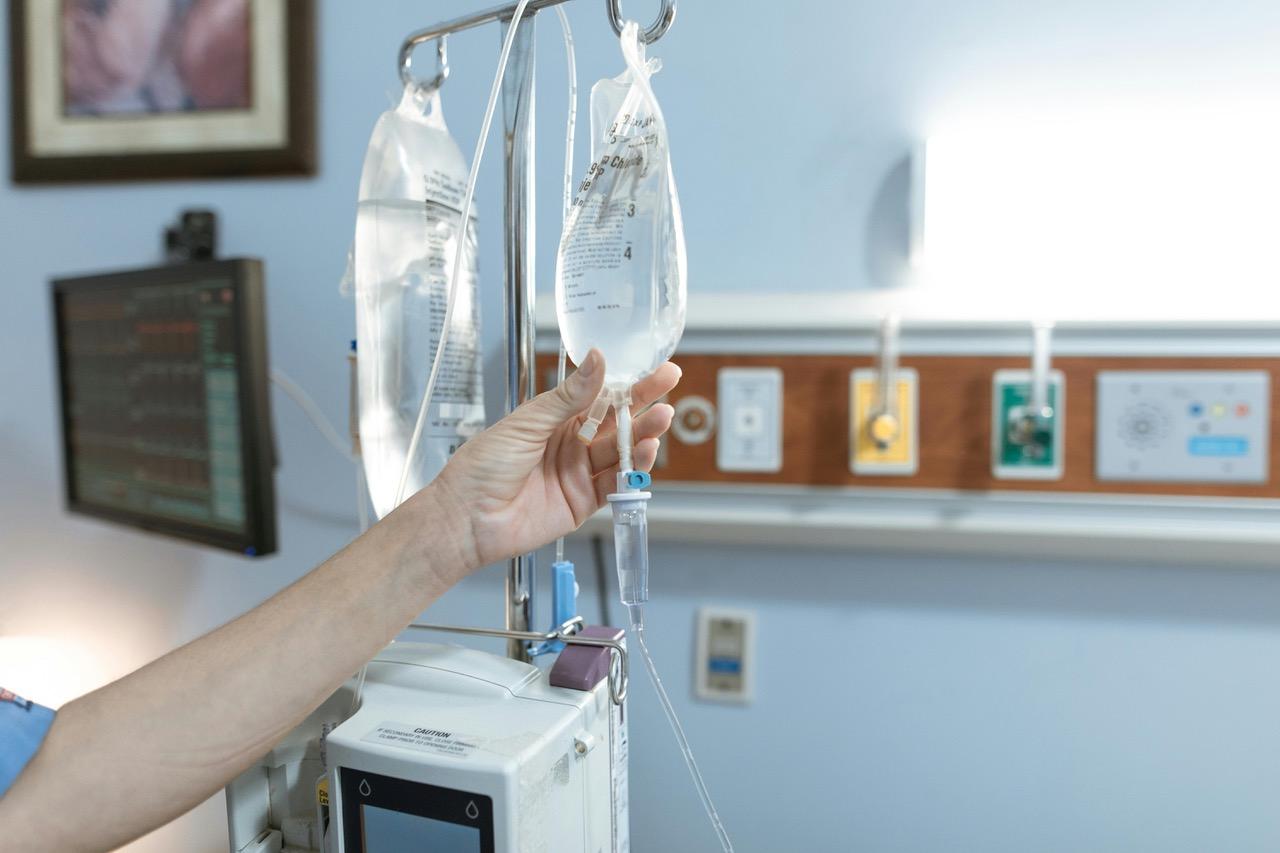
The Ibogaine clinic should operate like a mini-hospital, including:
- Hospital beds
- IV fluids
- Defibrillator
- Continuous EKG monitoring
- Pulse oximeter
- Two emergency doctors
- Two emergency nurses
- Oxygen tank onsite
- Crash cart onsite with IV medications stocked for emergency care
Ask: What emergency medical equipment is on-site to ensure my safety during treatment?
13. What’s the Emergency Protocol?
A hospital must be within a 20-minute drive, and the clinic should have a direct relationship with emergency responders in the area.
Ask: What is your emergency protocol, and how close is the nearest hospital?
14. How Long Will You Stay?
At a minimum, you should stay 7 days.
There is no safe way to complete Ibogaine treatment in less time. You need time to prepare, stabilize, have your lab tests done, receive the medicine, and begin integration before you return home.
Ask: How long will I be at your clinic, and what does the daily schedule look like?
15. Are Staff Trauma-Informed and Grounded in Their Own Healing?
Ibogaine treatment often opens the door to deep emotional layers that are ready to be seen, felt, and integrated. Your support team must be trauma-informed, regulated, and rooted in their own healing—not just trained in theory.
Ask: What trauma-informed training has your staff received? Who leads your therapeutic care?
16. Have the Medical Staff Trained Properly?
There are no shortcuts to facilitating Ibogaine. This is not taught in medical school. Your team should have formal training, mentorship, and access to up-to-date research.
Ask: What kind of training has your team received for Ibogaine therapy? Are you supported by experts or research-based mentorship?
17. Is the Clinic Licensed as a Medical Facility?
Not all Ibogaine centers operate under medical licensure—and this matters. A licensed medical facility is held to higher regulatory standards and must comply with health, safety, and emergency protocols.
While some healing environments may feel nurturing, that alone is not enough. Ibogaine is a powerful cardiovascular and neurological intervention, and it requires proper medical infrastructure to ensure your safety. Always ask about licensure.
Ask: Is your clinic licensed as a medical facility?
18. Is There Pre & Post-Treatment Support?
Ibogaine therapy opens a door—but integration is where healing takes root.
A reliable Ibogaine treatment center should offer support before you arrive, during your stay, and in the weeks following your treatment.
Ask: Can you tell me more about your onsite therapeutic staff and practices? Do you include any aftercare or integration support in your cost?
19. Does Your Clinic Work with 5-MeO-DMT?
While 5-MeO-DMT is a powerful medicine, it must be held in its own container.
We’ve seen too many cases where introducing 5-MeO too soon after Ibogaine treatment led to harm—nervous system overwhelm, trauma reactivation, and spiritual disorientation.
Each medicine deserves its own rhythm, space, and integration process.
That’s why we do not offer or recommend combining 5-MeO-DMT with Ibogaine therapy.
Be very cautious of any center that stacks these medicines. Look elsewhere.
Ask: Do you offer 5-MeO-DMT treatments or recommend combining it with Ibogaine?
20. Does the Ibogaine Clinic Accept Large Groups?
For your safety and the depth of your healing, it’s best to avoid Ibogaine treatment centers that accept more than 10 people into their program at one time.
Large group settings can compromise individualized care, medical oversight, and emotional support—three things that are absolutely essential with a medicine as powerful as Ibogaine.
True healing happens in spaces that are intimate, quiet, and well-supported. You want a team that can be fully present with you—not managing a crowd.
Ask: How many people are in your program at one time, and how do you ensure personalized care for each person?
21. How Many Patients Are Treated at One Time?
Ibogaine treatment requires close, individualized care—physically, emotionally, and medically. If a clinic is treating large groups at the same time, this is a red flag.
The environment can quickly become overstimulating, and the medical staff may be spread too thin to monitor each person properly.
Healing with Ibogaine is not a group experience. It’s a highly personal process that requires time, space, and attentive support. You deserve a setting where your needs are not just noticed, but prioritized.
Ask: How many people do you treat at one time? What is the staff-to-client ratio during treatment?
22. Are They Rushing You?
If you feel rushed, pushed to book, or unclear about what’s happening—pause.
This is a medical treatment, not a marketing funnel. A good clinic will give you time, education, and space to make a clear, grounded decision.
Ask yourself: Am I feeling rushed or supported?
23. Are the Photos on the Website Real?
Sadly, bait-and-switch tactics are common.
Verify that the pictures shown online reflect the exact center you’ll be attending for treatment.
Ask: Can you confirm the photos on your website are of the actual Ibogaine treatment center I’ll be staying at?
A Life-Changing Decision
Choosing a medically safe, ethical Ibogaine treatment center is an act of self-honoring. This isn’t something to rush into or gamble on.
When done properly, Ibogaine therapy can change your life. When done irresponsibly, it can risk your life.
Trust your instincts. Ask questions. Trust your gut. And listen for what’s underneath the answers.
Are you interested in Ibogaine treatment in Mexico that ticks all of the above boxes – and is rooted firmly in medical safety and personalized care?
Get in touch with us today. We would be honored to support you.