
Methamphetamine and Ibogaine: Healing the Brain After Stimulant Abuse
Methamphetamine addiction differs from other substance use disorders in one critical way: it causes profound neurological damage. While many drugs disrupt neurotransmission temporarily, meth directly injures the brain’s dopamine system.
Recovery from meth addiction is not just about stopping use.

Poly-Substance Dependence: When Multiple Addictions Require Comprehensive Care
Poly-substance dependence is more common than most people realize. Many individuals do not struggle with a single substance but rather with overlapping patterns of use that evolve over time. Alcohol to sleep. Stimulants to function. Opioids to numb pain. Each substance serves a purpose until the system becomes tangled.

Ibogaine Contraindications: When Treatment Isn’t Safe (And What Alternatives Exist)
Ibogaine is a powerful medicine, but it is not universally safe. Pretending otherwise puts lives at risk. Responsible providers do not offer ibogaine to everyone who wants it; they offer it only to those for whom it is medically appropriate.
Understanding ibogaine contraindications is not about exclusion. It is about safety, ethics, and informed decision-making.

Preparing for Ibogaine: The 30 Days Before Treatment
Ibogaine treatment does not begin the day you arrive. It begins weeks earlier, with deliberate medical, psychological, and logistical preparation. This preparatory period is not a formality; it is a critical part of safety, effectiveness, and long-term outcomes.
People who prepare well tend to experience smoother treatments, fewer complications, and more stable integration afterward. Those who rush or minimize this phase often struggle unnecessarily.
Traumatic Brain Injury and Ibogaine: What the Stanford Research Reveals
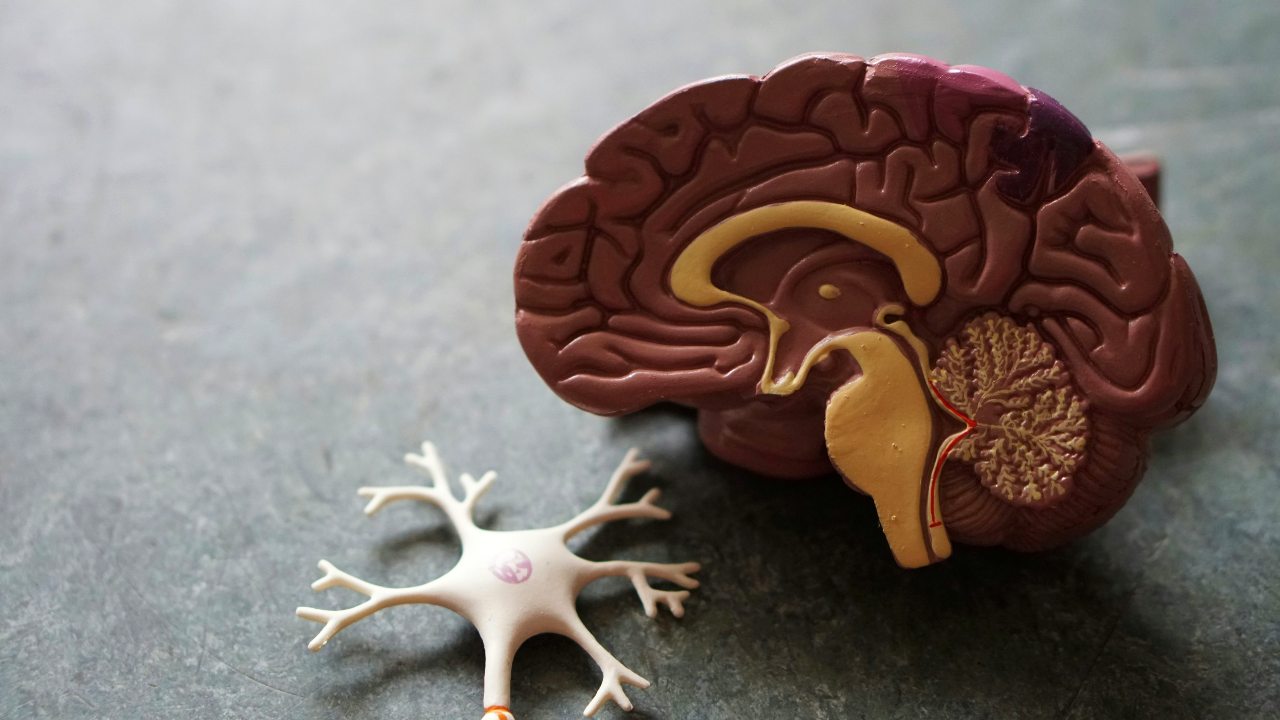
Traumatic brain injury is one of the most complex and least understood conditions affecting veterans. Often invisible on scans and difficult to articulate, TBI alters cognition, emotional regulation, and stress tolerance in ways that conventional therapies frequently fail to address.

PTSD and Ibogaine: How Trauma Healing Differs from Addiction Treatment
Post-traumatic stress disorder is not addiction, and treating it as such often leads to frustration, misalignment, and stalled healing. While PTSD and substance use frequently overlap, especially among veterans, the underlying mechanisms and recovery needs are fundamentally different.

What Happens After You Go Home: Bassé’s 30-Day Integration Course Explained
Ibogaine treatment is a powerful beginning, but it is not the endpoint of recovery. The weeks immediately following treatment are when new neural pathways are most malleable, and old patterns are most likely to either dissolve or reassert themselves.
This is why the ibogaine aftercare program at Bassé is structured, intentional, and non-optional. Integration is not an upsell. It is a core component of treatment.

Somatic Experiencing and Ibogaine: Releasing Trauma Stored in the Body
Addiction is often discussed as a problem of behavior or chemistry, but for many people it is also a problem of unresolved trauma living in the body. Long after the mind understands what needs to change, the nervous system may still be locked in survival patterns shaped by past threat, stress, or overwhelm.