Blog
Boutique vs High-Volume Ibogaine Clinics: Why Intimate Settings Matter
Choosing an ibogaine clinic is not only a medical decision. It is an environmental one. The setting in which ibogaine is administered directly affects nervous system regulation, emotional safety, and the quality of care a person receives during one of the most vulnerable moments of their life.
As ibogaine grows in visibility, two very different models have emerged: high-volume treatment centers designed for scale, and boutique programs designed for depth. Understanding this distinction is essential when evaluating a luxury ibogaine clinic versus a large, production-style facility.
At Bassé Ibogaine Treatment Center, the boutique model is intentional. It reflects how ibogaine works, how the nervous system responds to environment, and why individualized care matters when medical risk and psychological intensity are both present.
The Fundamental Difference: Volume vs. Presence
High-volume ibogaine clinics are structured to treat many people simultaneously. This often means shared schedules, standardized protocols, rotating staff, and limited individualized attention.
A boutique ibogaine retreat, by contrast, is built around presence. Fewer people are treated at one time so that medical, therapeutic, and logistical care can remain deeply personalized.
Ibogaine is not a “group process” medicine. Each person’s cardiac profile, trauma history, medication background, and psychological needs are unique. Intimate settings allow clinicians to respond to those differences in real time rather than relying on generalized protocols.
Why Small Group Ibogaine Treatment Supports Safety
Ibogaine affects cardiac conduction, autonomic regulation, and consciousness. These effects demand sustained medical focus.
In a small group ibogaine treatment environment:
- Physicians are not dividing attention between dozens of patients
- Continuous cardiac monitoring is actively observed, not passively logged
- Subtle changes in vitals, affect, or orientation are noticed early
High-volume environments increase clinical load. Even with protocols in place, scale introduces delay, diffusion of responsibility, and reduced responsiveness.
Boutique programs minimize those risks by design.
Staff-to-Client Ratio Changes Everything
One of the least discussed differences between clinics is staffing density.
In high-capacity centers, it is common for one clinician or facilitator to oversee multiple people simultaneously. Medical staff may rotate or be on-call rather than continuously present.
In a private ibogaine therapy model, staffing remains intentionally dense. This allows for:
- Near 1:1 observation during the acute phase
- Immediate physician response without escalation delay
- Emotional support that is responsive rather than scheduled
When someone is undergoing an ibogaine session, the ability to feel seen, monitored, and supported is not a luxury. It is stabilizing.
Personalization vs. Standardization
High-volume facilities rely on standardization to function efficiently. Meals, schedules, integration sessions, and protocols are often uniform.
A high-end ibogaine clinic prioritizes customization instead:
- Dietary plans adjusted for liver health, inflammation, or metabolic needs
- Integration sessions shaped around individual trauma patterns
- Flexible pacing for recovery and rest
Ibogaine opens a neuroplastic window. Personalization during this period increases the likelihood that insights translate into lasting behavioral change.
Environment as a Clinical Variable
Environment is not aesthetic. It is physiological.
Noise, crowding, unfamiliar faces, and lack of privacy can activate stress responses that interfere with healing. An intimate healing environment allows the nervous system to remain regulated during and after treatment.
Boutique settings emphasize:
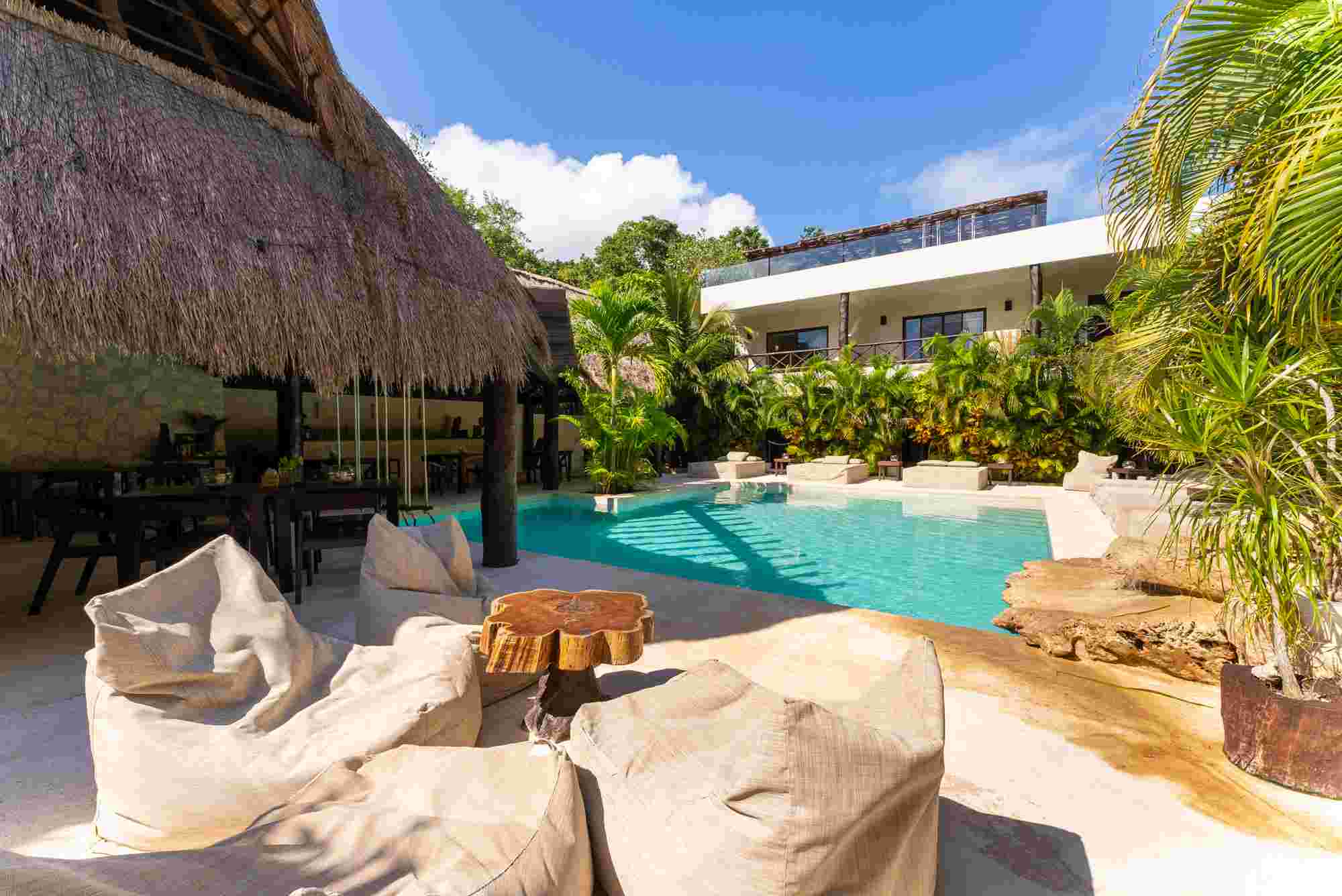
- Private rooms with space for solitude
- Natural surroundings that support parasympathetic activation
- Quiet, predictable rhythms that reduce sensory overload
These factors directly affect sleep quality, emotional processing, and post-treatment integration.
What You’re Really Paying For at a Boutique Clinic
When people ask whether a boutique clinic is “worth the investment,” the real question is what the investment covers. High-volume programs operate on a scale model. They prioritize efficiency and volume. Boutique programs do the opposite.
Ibogaine Is Not a Detox Stay
Ibogaine treatment is not transactional. It is not something to “get through.”
A boutique model recognizes that people are not checking into a facility. They are entering a threshold experience that affects identity, memory, and long-term behavior.
Intimate settings support that reality by slowing the process down, reducing external stressors, and keeping care human-scaled.
Choosing the Right Environment for Your Healing
Ibogaine already demands courage. The environment should not demand endurance.
For individuals seeking personalized addiction treatment, private care, and medical excellence without institutional feel, boutique clinics offer a model aligned with how ibogaine actually works.
At Bassé, intimacy is not branding. It is a clinical decision rooted in safety, neuroscience, and respect for the depth of the work
Speak with our team to learn how a boutique, medically supervised ibogaine experience can support your recovery with safety, privacy, and depth.